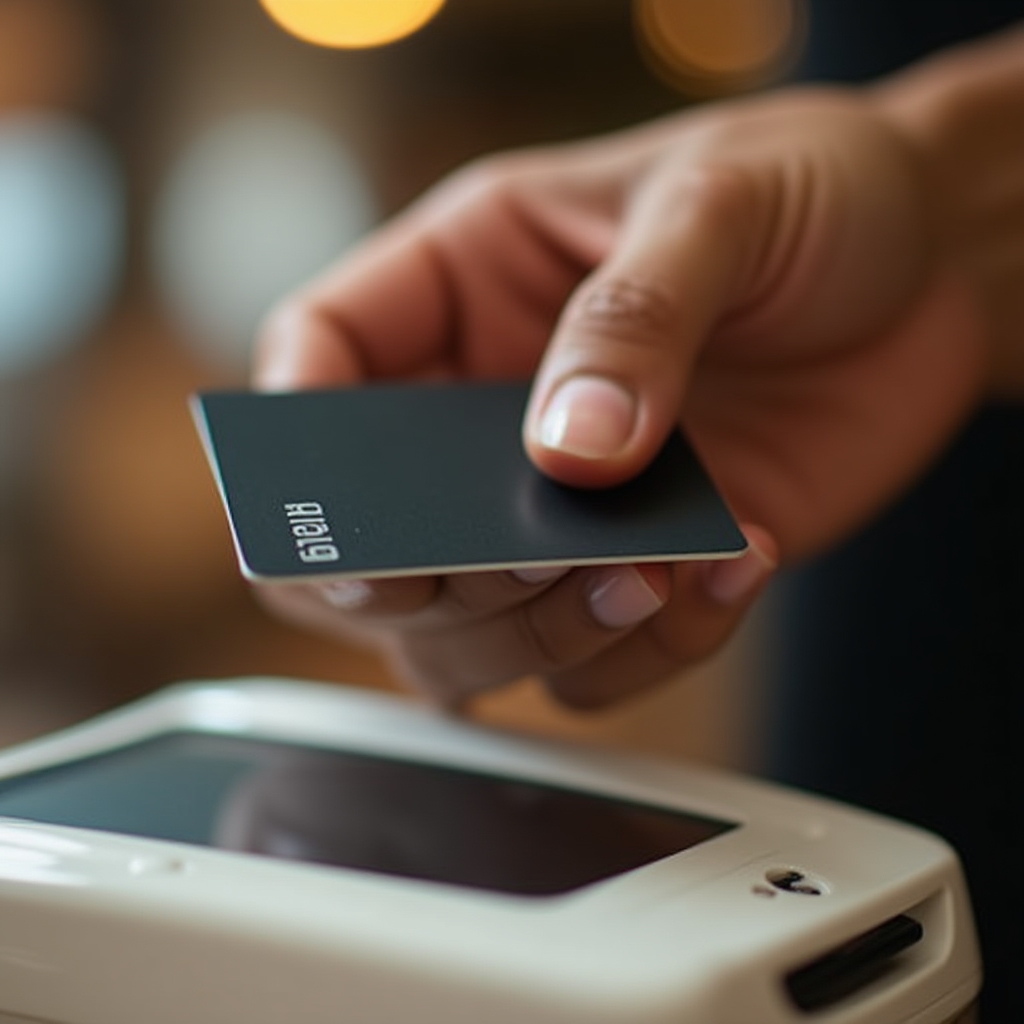
The Purchase High
Before a transaction completes, the brain has already released a reward signal. This module examines the neurological sequence that makes buying feel good, often regardless of what is being bought. We look at how this cycle operates, why it peaks before the purchase rather than after, and what it means for the decisions we make while inside it.

Stress and the Cart
Stress does not just make us feel bad. It changes the way we evaluate options. Under stress, the brain prioritizes immediate relief over long-term outcomes. This module maps the specific emotional states that most reliably push people toward unplanned spending, and examines the logic the brain uses to justify each one.

Buying an Identity
Products are often purchased not for their function but for what they represent about the buyer. A running shoe is sometimes a running shoe. Sometimes it is a statement about who you intend to become. This module explores the psychology of aspirational purchasing and why the gap between the imagined self and the purchased object is where regret tends to live.

Anatomy of Regret
Not all regret about spending is the same. Some is genuine. Some is conditioned guilt about spending money at all. Some is social, driven by imagining what others would think. This module breaks down the different forms that post-purchase regret takes and develops a framework for identifying which type you are experiencing in any given moment.

Spending in Company
Social contexts change spending behavior in documented and predictable ways. The presence of others, the desire for belonging, and the fear of appearing different all influence what we order, what we buy, and what we agree to. This module examines the social layer of spending decisions and how to recognize when you are spending to manage a relationship rather than to meet a need.

When the Brain Gets Tired
Decision quality degrades over time. By the end of a long day, or after a sequence of demanding choices, the brain defaults to easier cognitive paths. This module examines decision fatigue as a spending risk factor, explaining why the same person makes very different purchasing decisions in the morning versus the evening and what that means for how we structure our days.
The Frictionless Purchase
Digital retail has systematically removed the friction that once created natural pause points in spending decisions. One-click purchasing, saved payment details, and seamless checkout flows are not neutral design choices. This module examines how the design of digital commerce environments interacts with our psychological vulnerabilities and what happens when the pause is removed.
Building a Spending Vocabulary
The final module synthesizes the concepts introduced across the curriculum into a personal framework. Not a set of rules, but a vocabulary. A set of terms and questions you can apply in the moment to identify what is actually driving a spending decision. The goal is not to stop spending. It is to spend with awareness of what you are doing and why.